
Family raised livestock
Boer Goats
Raised with Purpose, Cared for with Heart
Boer goats have earned their place in agriculture through generations of selective breeding for meat production, hardiness, and practical livestock qualities. Originally developed in South Africa, these distinctive goats have become valued by commercial producers, small farms, and youth livestock exhibitors around the world.
At CY Ranch, what began as a simple plan to bring home a few weed-eating goats has grown into something much more meaningful. Today, our Boer goats are an important part of our family's 4-H experience, our developing breeding program, and the lessons we hope to pass along to the next generation.
Rooted in South Africa
From South Africa to American Ranches
The Boer goat's history begins in South Africa, where farmers developed a specialized meat-producing goat during the early twentieth century. The name Boer comes from a Dutch and Afrikaans word associated with farming, reflecting the breed's agricultural origins. Its development drew upon indigenous South African goats and historical influences from other goat populations, with breeders selecting animals for substantial muscling, reproductive ability, adaptability, and efficient meat production.
Unlike livestock breeds traditionally raised for several different purposes, the modern Boer was deliberately developed with meat production as its primary focus. Breeders emphasized broad, muscular bodies, strong structure, and maternal qualities that could support productive herds. Over time, those characteristics helped establish the Boer as one of the world's most recognizable meat-goat breeds.
In 1959, the South African Boer Goat Breeders' Association was established, helping formalize breeding standards and pedigree recording. By 1970, Boer goats had entered South Africa's national livestock performance-testing system, demonstrating the importance placed on measurable production traits and responsible selection.
Boer genetics eventually spread internationally, reaching Australia and New Zealand before the breed arrived in the United States in 1993. The American Boer Goat Association was established that same year. Since then, Boer goats have influenced American meat-goat production through both purebred breeding programs and commercial crossbreeding, while becoming increasingly familiar in youth livestock projects and county fair barns.
Built for purpose
What Makes Boer Goats Special?
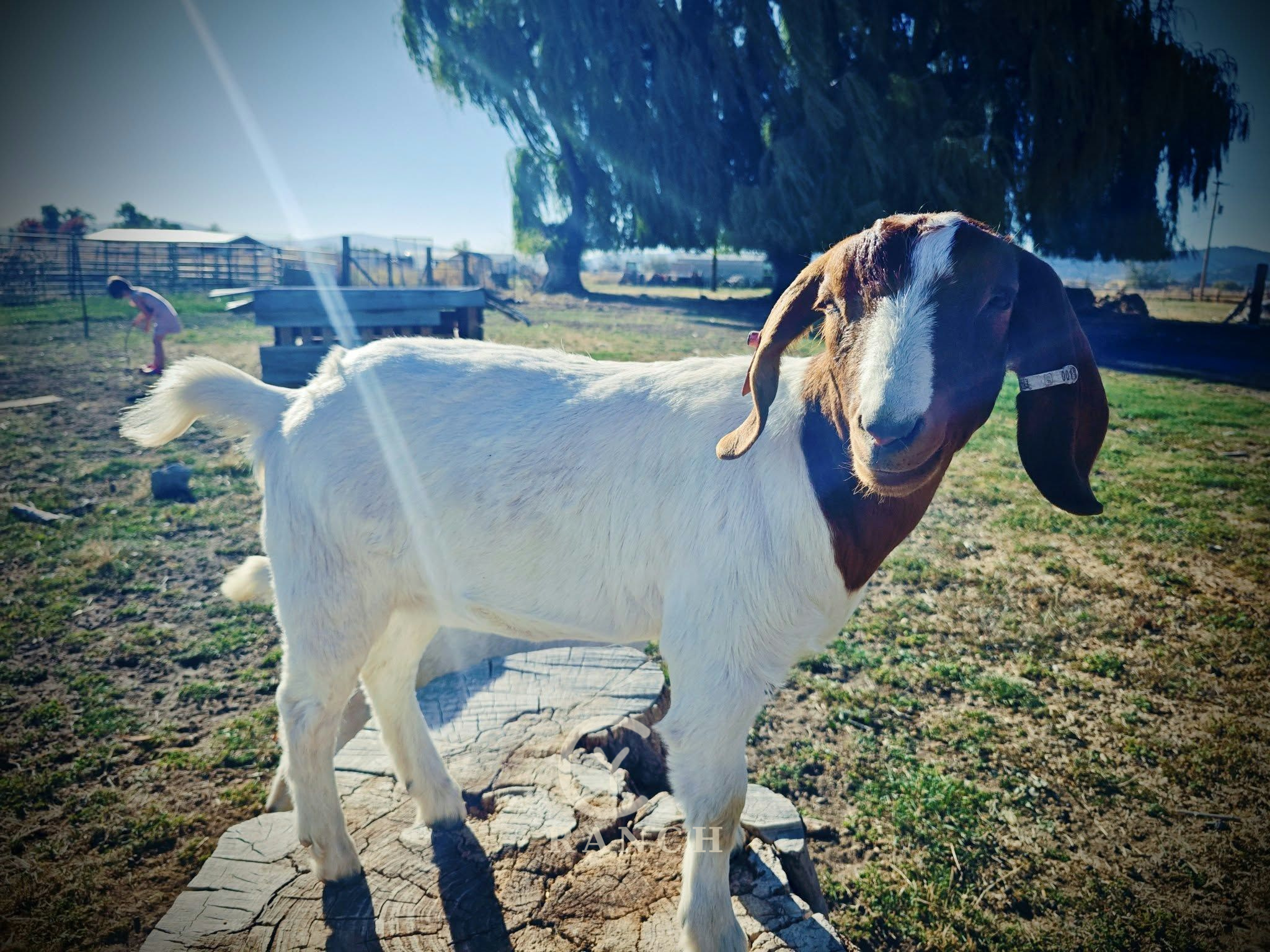
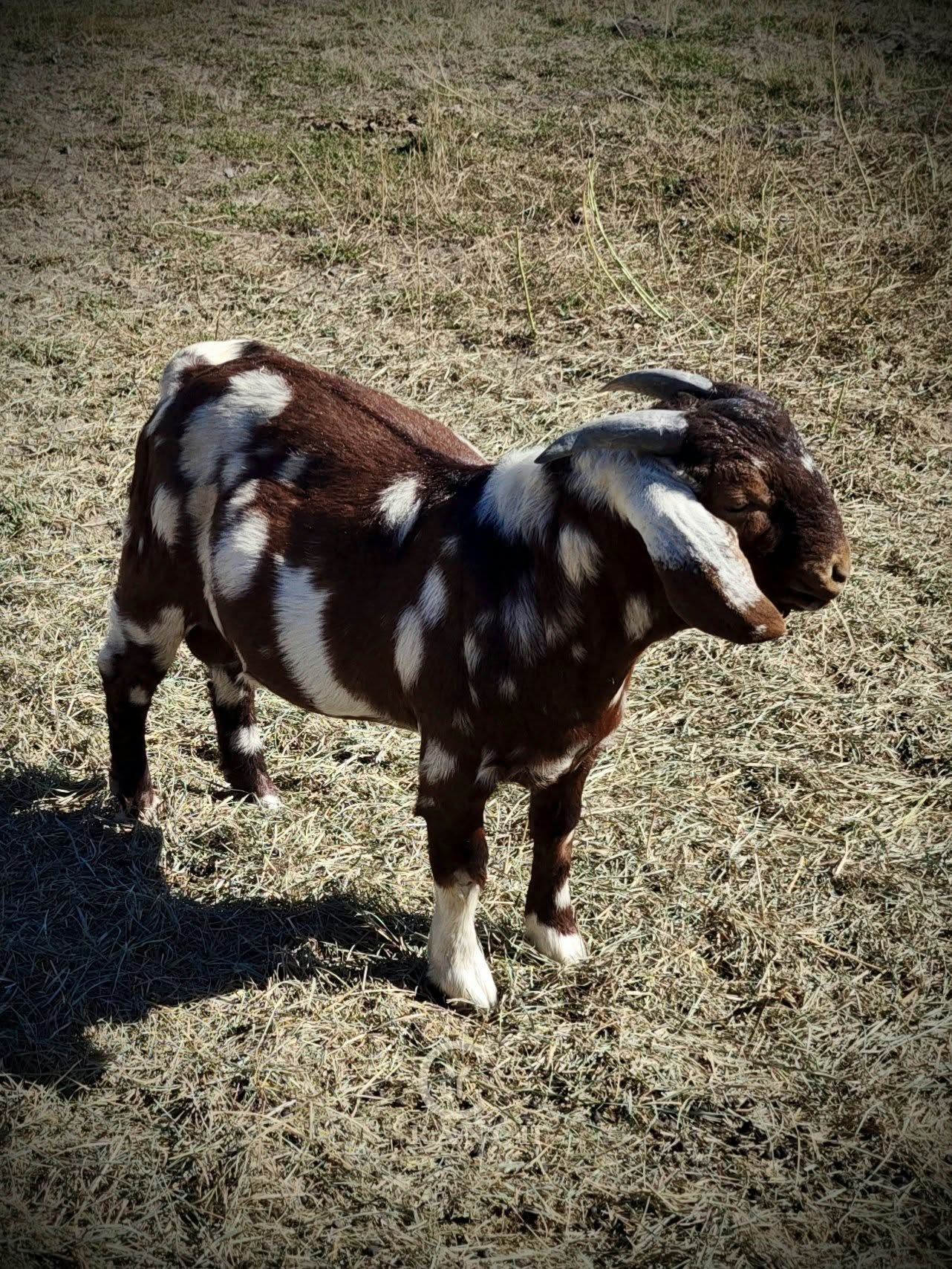
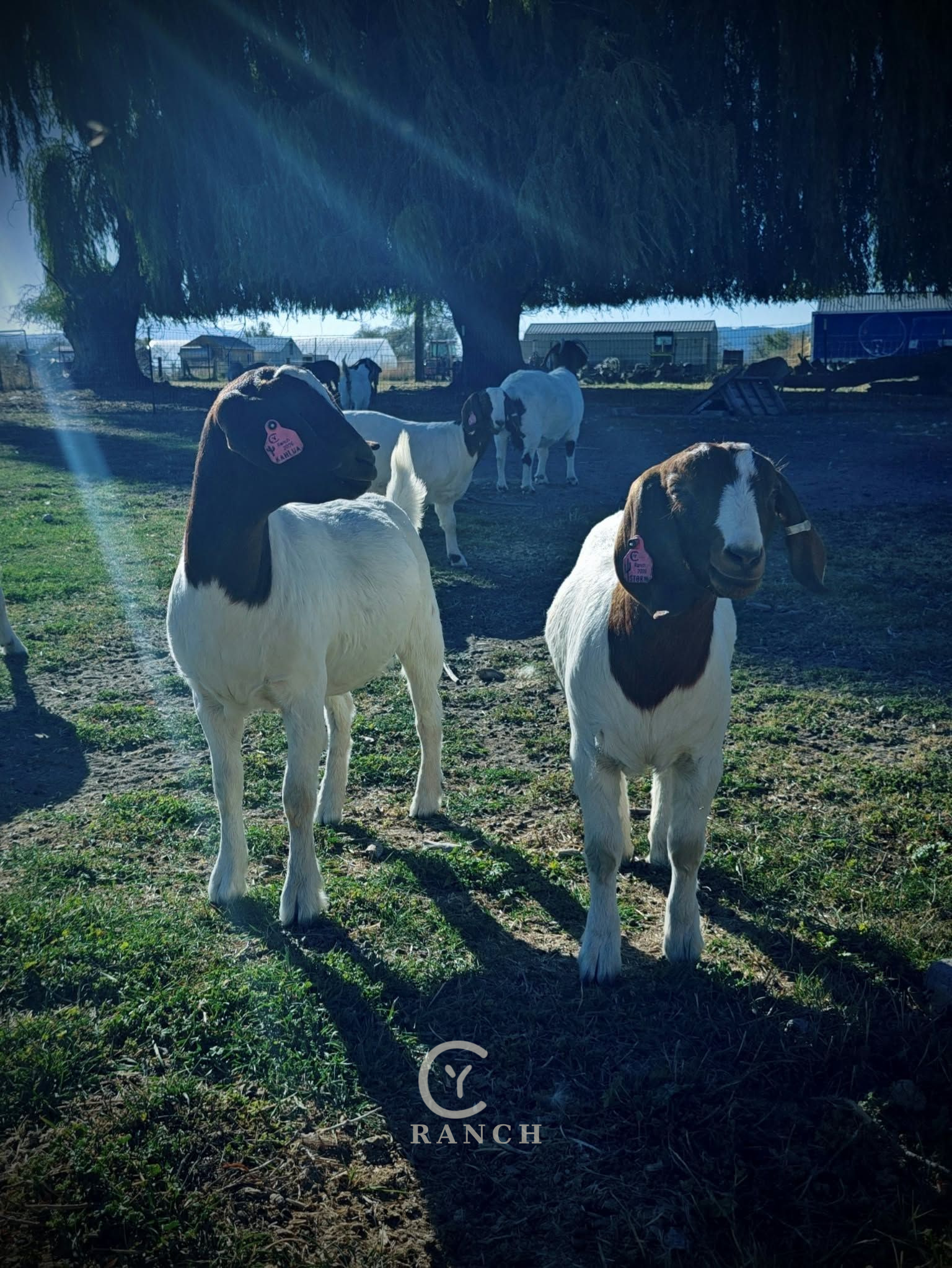
Boer goats are best known for their substantial bodies, muscular development, and growth potential. The traditional appearance features a white body with a reddish-brown head, although modern Boer goats display a wider variety of colors and markings, including solid red and dapple patterns. Their long, pendulous ears and distinctive head profile are recognizable breed characteristics, while good body structure, muscling, and movement remain important considerations when evaluating breeding and market animals.
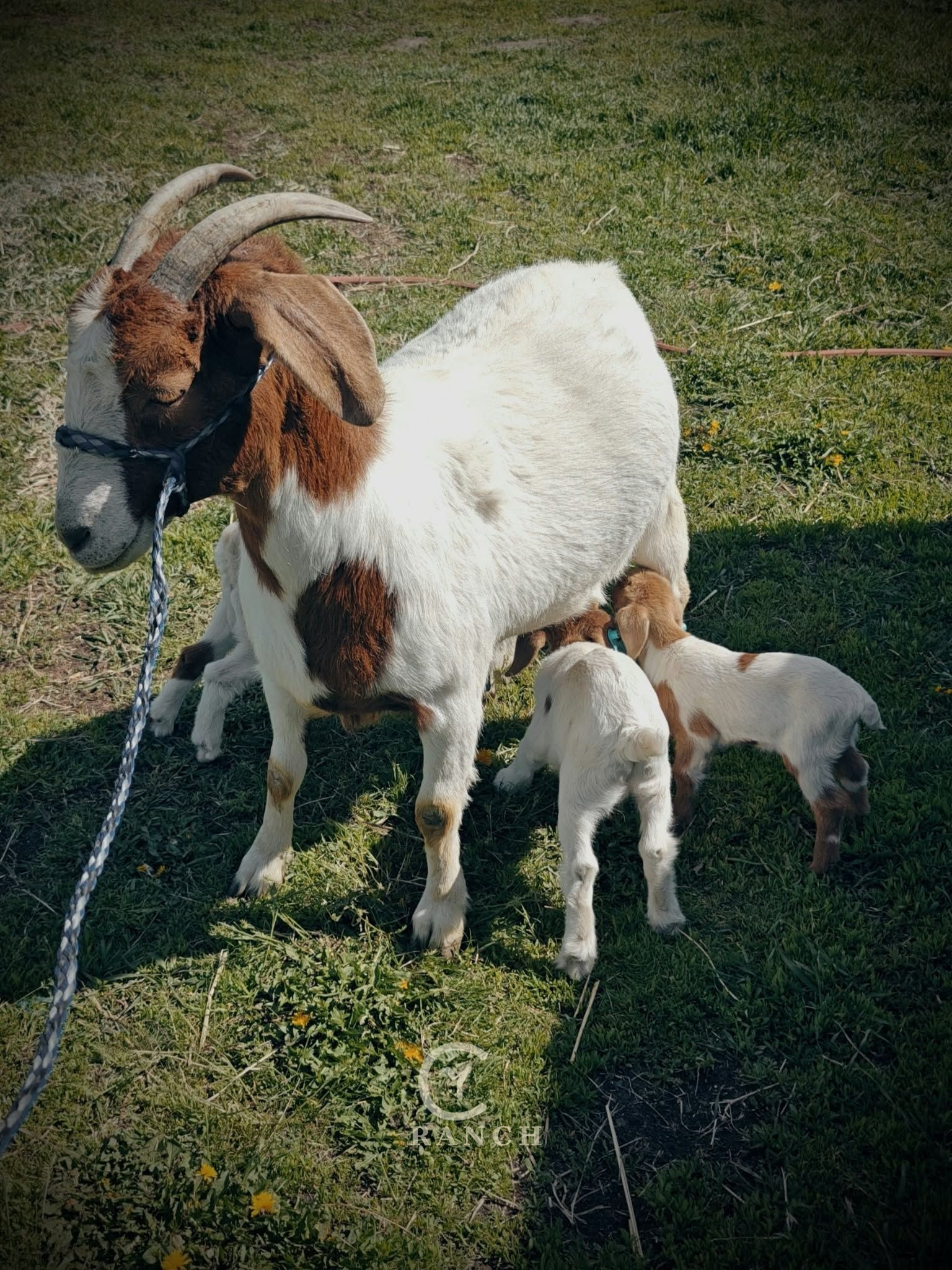
Their agricultural value goes beyond appearance. Boer does are valued for reproductive ability, maternal qualities, and milk production that supports growing kids. The breed is also known for its adaptability to different environments and management systems. As with any livestock, successful breeding, kidding, and raising healthy offspring depend on appropriate nutrition, maturity, health, and responsible care.
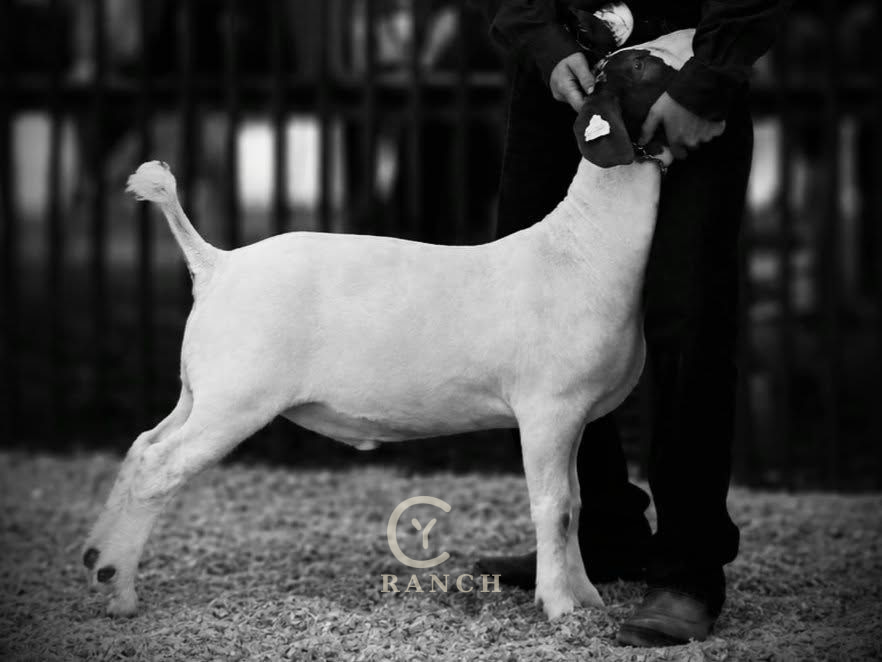
Like other goats, Boers are natural browsers. They readily investigate brush, leaves, shrubs, and other vegetation, making goats useful for managing certain kinds of unwanted plant growth. Their browsing behavior was actually what first brought goats to CY Ranch, long before we imagined developing a family breeding herd.
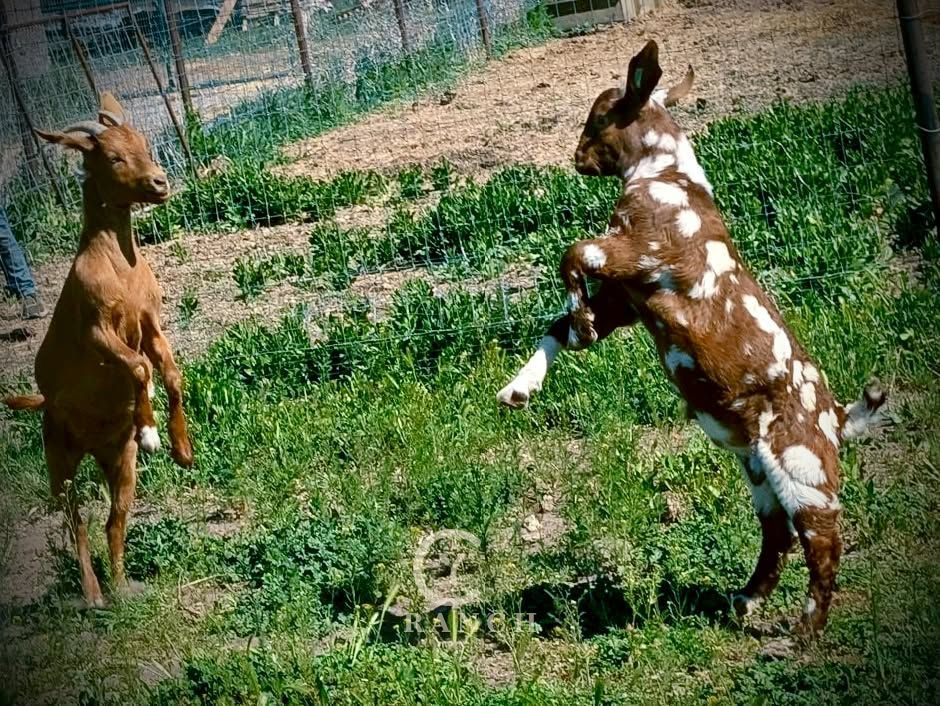
Although Boer goats are often appreciated for their relatively manageable dispositions, individual personalities vary. Our own herd has shown us just how entertaining, curious, playful, and occasionally stubborn goats can be. Spending time with them is rarely dull, and their personalities are a large part of what has made them such an enjoyable addition to our ranch.
Building our herd
Learning with Every Generation
A successful breeding program involves more than choosing animals with attractive colors or impressive pedigrees. Sound structure, healthy feet and legs, appropriate growth, maternal ability, and overall health all contribute to the long-term quality of a herd. These considerations are particularly important in meat goats, where breeding decisions influence both the next generation and the animals' ability to remain healthy and productive.
At CY Ranch, our Boer goat program continues to develop as we gain experience and learn more about the qualities that matter most to us. We are working toward a carefully selected herd with sound breeding females, healthy offspring, and genetics that complement our long-term goals. Each kidding season gives us another opportunity to evaluate our decisions, improve our management practices, and build on what we have learned.
In 2026, we welcomed our first herd buck, a young red-dapple Boer. As he matures, we're looking forward to seeing how he contributes to the next generation. We're taking that process one season at a time, without rushing his development or our plans for the herd.
An unexpected family favorite
More Than Weed Eaters
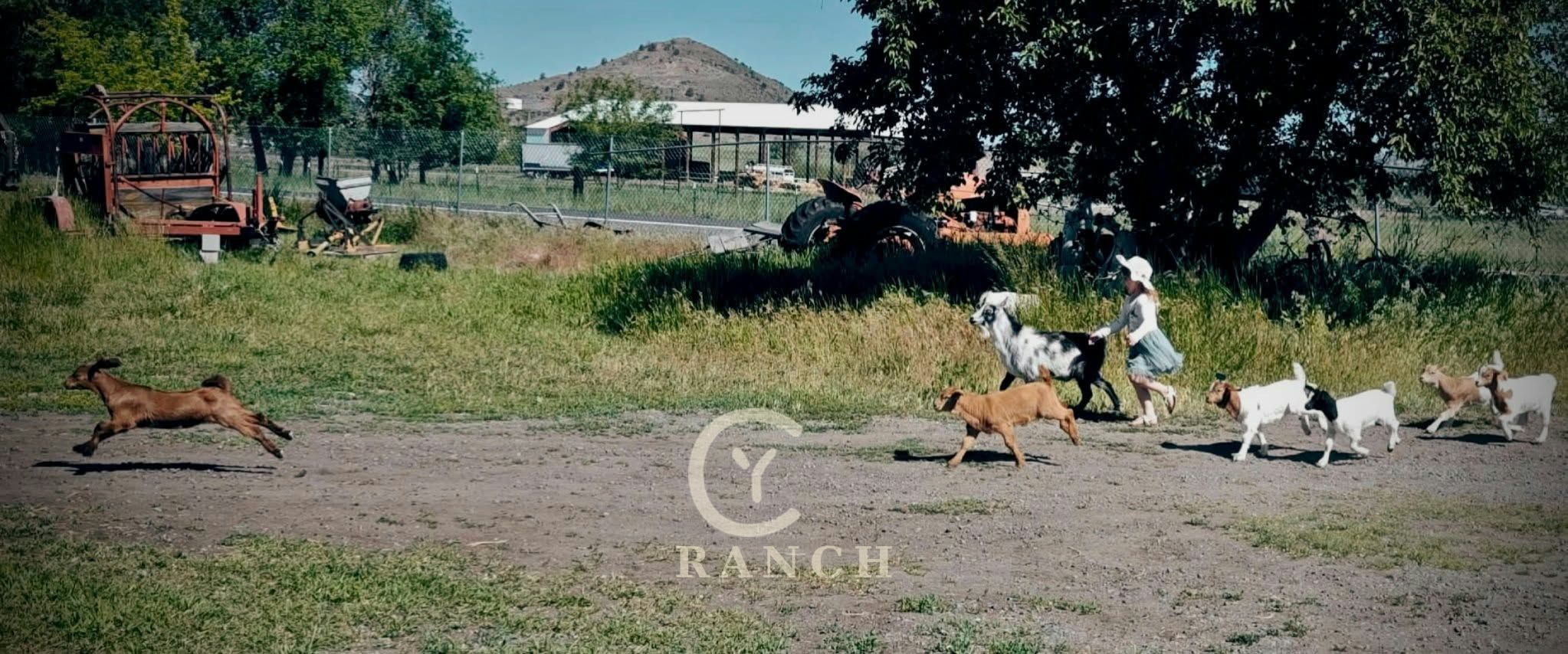
Our Boer goat story began rather unexpectedly. We originally brought goats to CY Ranch with a simple purpose in mind: helping manage weeds and brush around the property. We had no particular plans to establish a breeding program, and although goats weren't entirely new to our family, it had been many years since they had been part of our everyday lives.
Years earlier, our experience with goats had centered around showing pygmy goats, traveling throughout the West Coast to participate in shows. Raising meat goats, however, was an entirely different experience. When our son began looking for a change from his 4-H sheep projects, we decided to explore the possibility of raising our own Boer goats for his livestock projects. We gradually reduced our original herd to five full Boer does and began developing a small family breeding program.
The change turned out to be one of the best decisions we could have made for our family's livestock experience. Our son enjoyed working with the goats, and we quickly discovered how much we appreciated their personalities. They're curious, playful, entertaining animals that make spending time in the pasture or barn genuinely enjoyable. What had begun as a practical way to manage weeds became an opportunity to raise livestock together, learn about breeding and kidding, and develop a herd of our own.
Over time, our goals have continued to evolve. We have become more thoughtful about the animals we retain for breeding, the qualities we want to encourage, and the management practices that best support their health and well-being. Each year brings new experiences, new challenges, and something else to learn. While we're still developing our program, we're excited about the herd we're building and the opportunity to see where the next generations take us.
Family, responsibility & compassion
More Than a 4-H Project
One of the most rewarding parts of raising Boer goats at CY Ranch has been the opportunity to involve our children in the everyday responsibilities of livestock care. From choosing breeding animals and preparing for kidding season to welcoming newborn kids, watching them grow, and learning to handle them with patience, our goats have become an important part of how we teach the next generation about agriculture.
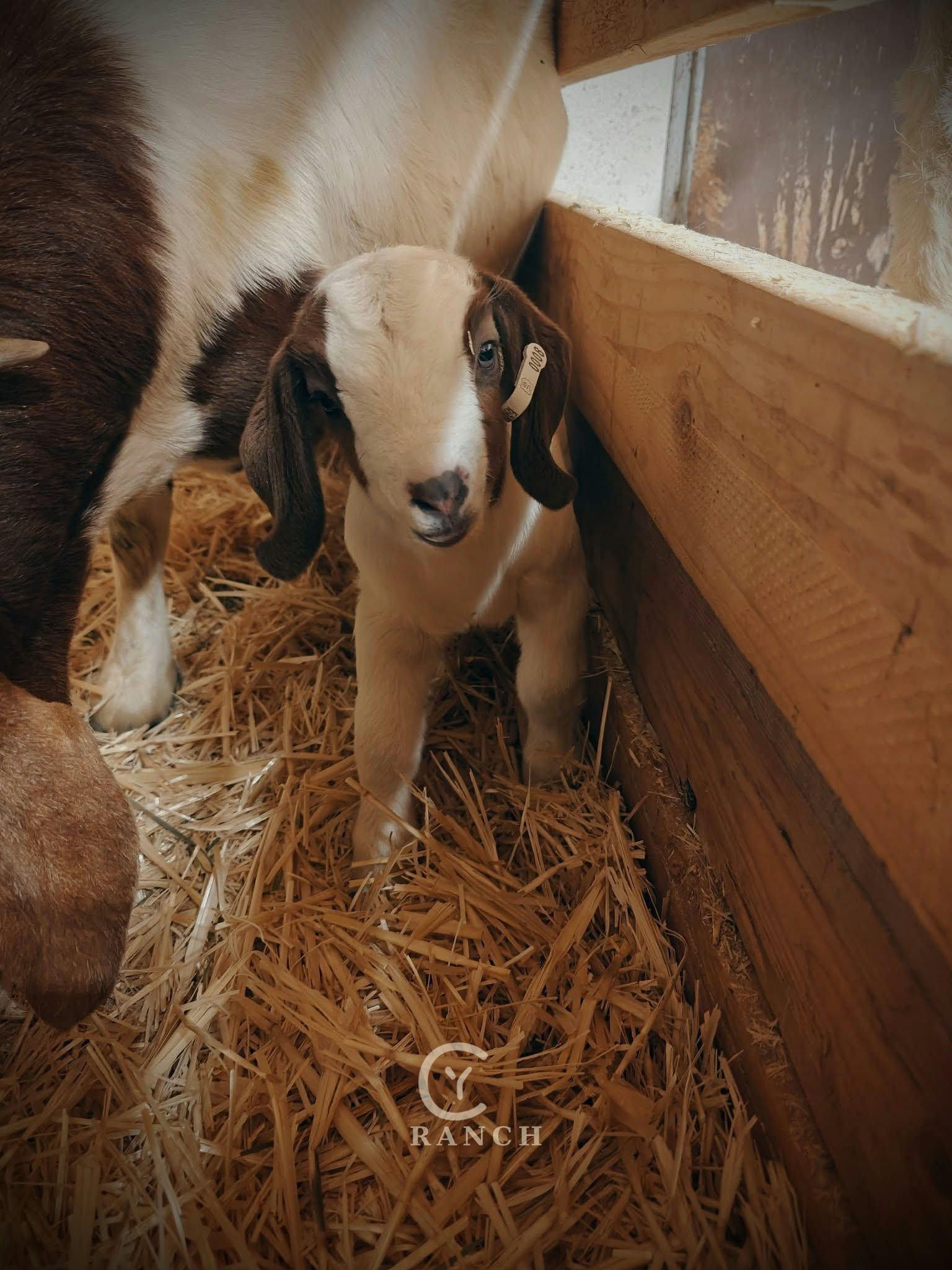
Raising livestock offers lessons that are difficult to learn from a book alone. Our children see the time and effort required to care for animals, the importance of recognizing when something isn't right, and the responsibility that comes with bringing new life into the world. They learn that breeding decisions have consequences, that healthy animals require consistent care, and that even the smallest tasks matter. They also experience the excitement of watching newborn kids find their feet, the satisfaction of helping an animal thrive, and the occasional heartbreak that comes with raising livestock.
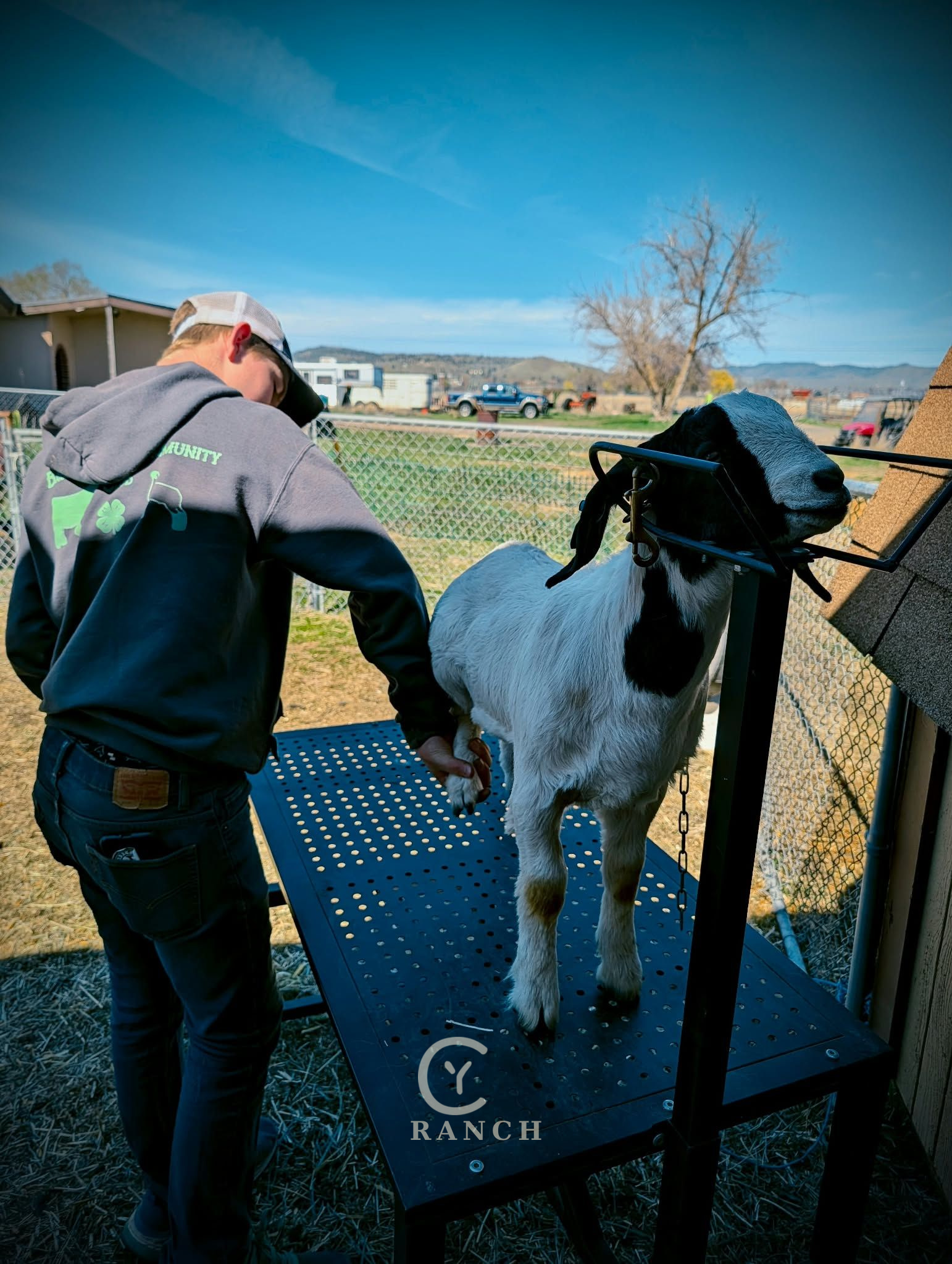
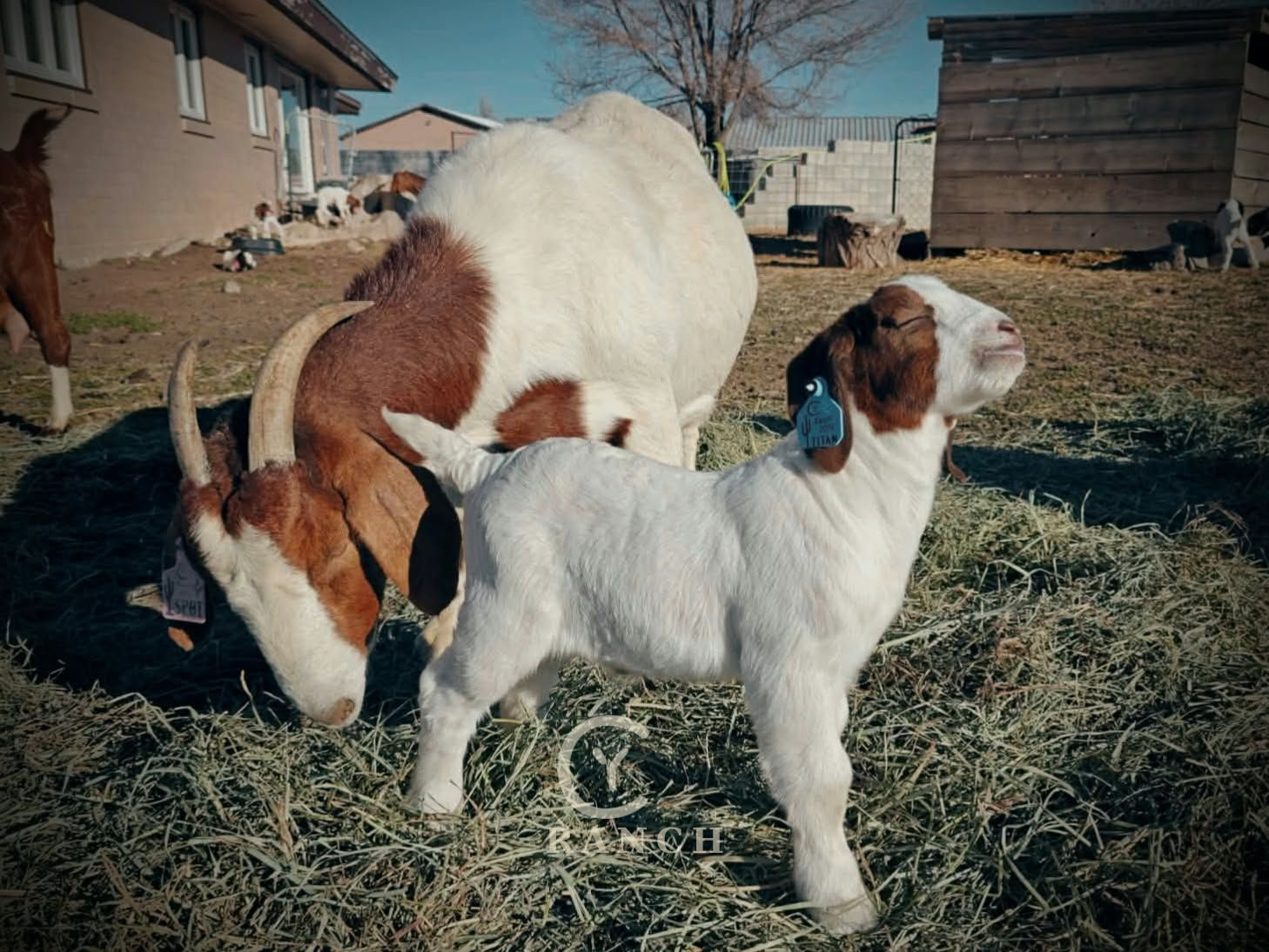
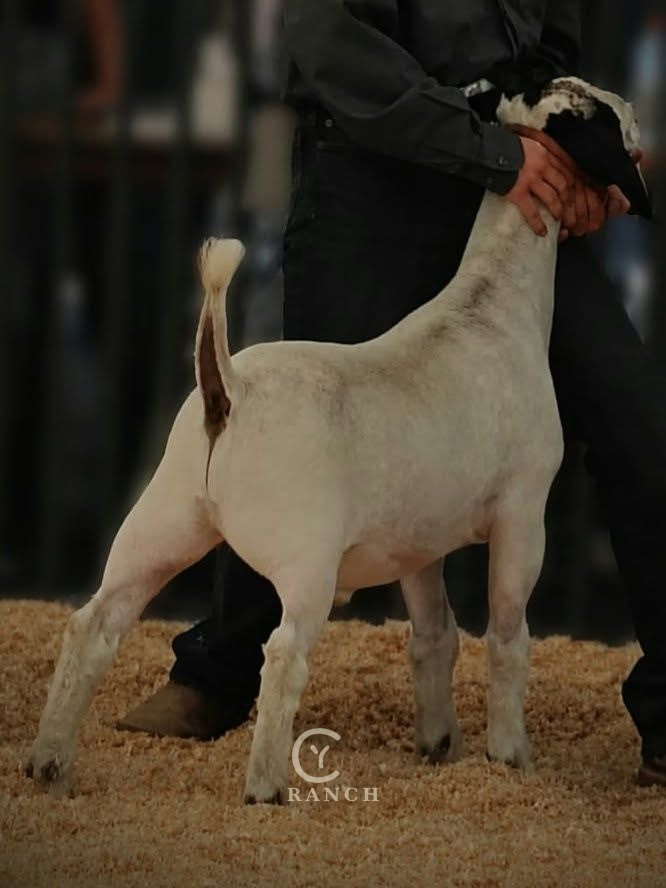
Perhaps the most important lesson we hope to teach is that an animal's purpose does not determine its worth or the kindness it deserves. Boer goats are a meat-producing breed, and we raise them with an understanding of their agricultural role. Some will remain at CY Ranch as part of our breeding herd, while others will eventually help provide food for families. We believe both purposes deserve respect, and neither changes our responsibility to care for those animals throughout their lives.
“An animal's purpose may determine where its life leads, but it should never determine the kindness it receives along the way.”
Every goat born and raised here deserves proper nutrition, appropriate medical care, a safe environment, gentle handling, and the opportunity to enjoy its life. Our children are encouraged to spend time with the animals, learn their individual personalities, and treat them with patience and compassion. We want them to understand where food comes from, but just as importantly, we want them to understand the responsibility that comes with producing it.
At CY Ranch, raising Boer goats is about more than building a herd or preparing for the next fair. It's an opportunity to teach our children that good animal husbandry begins with respect, that compassion belongs in agriculture, and that a meaningful life is not measured simply by how long it lasts.
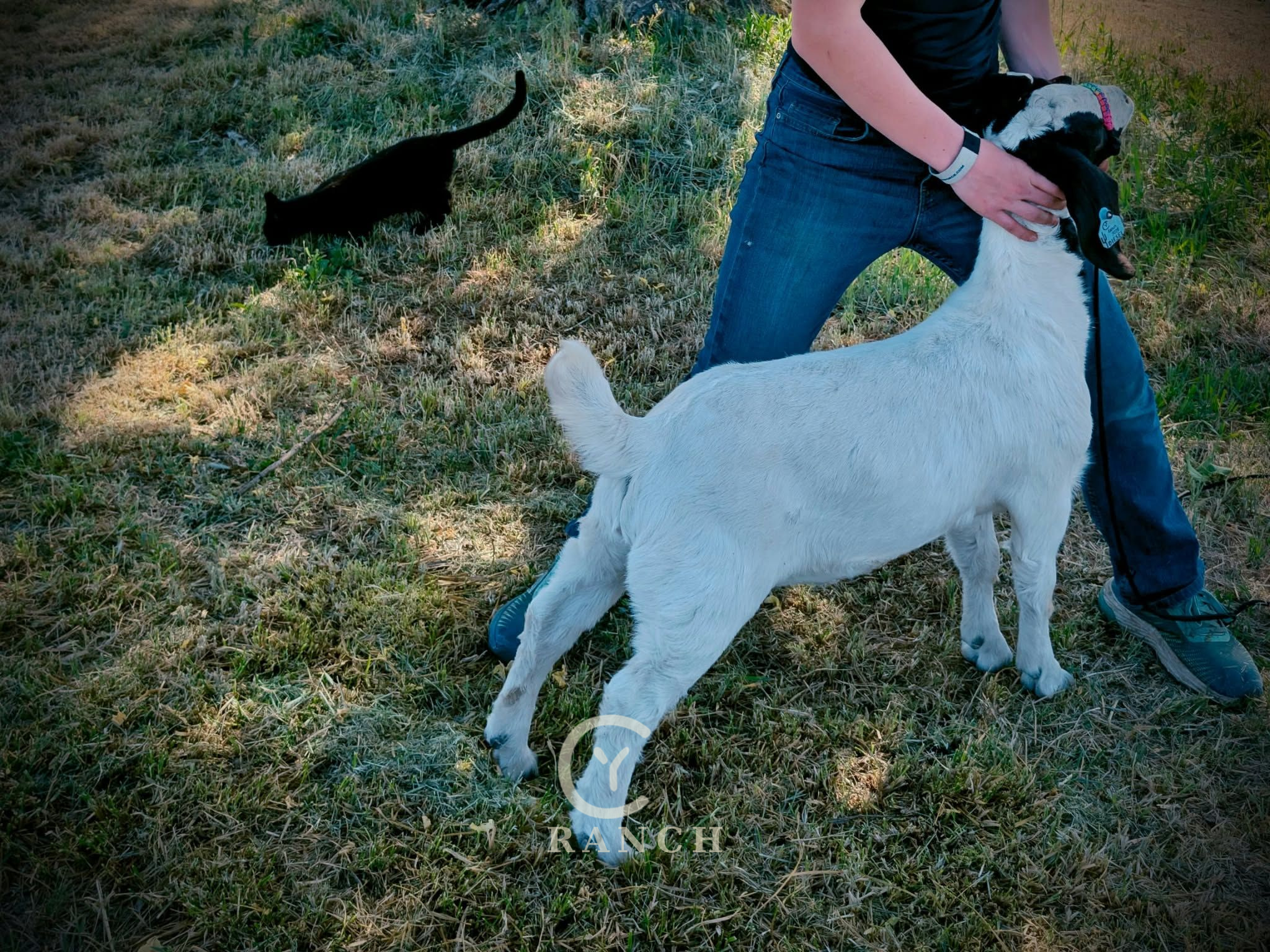
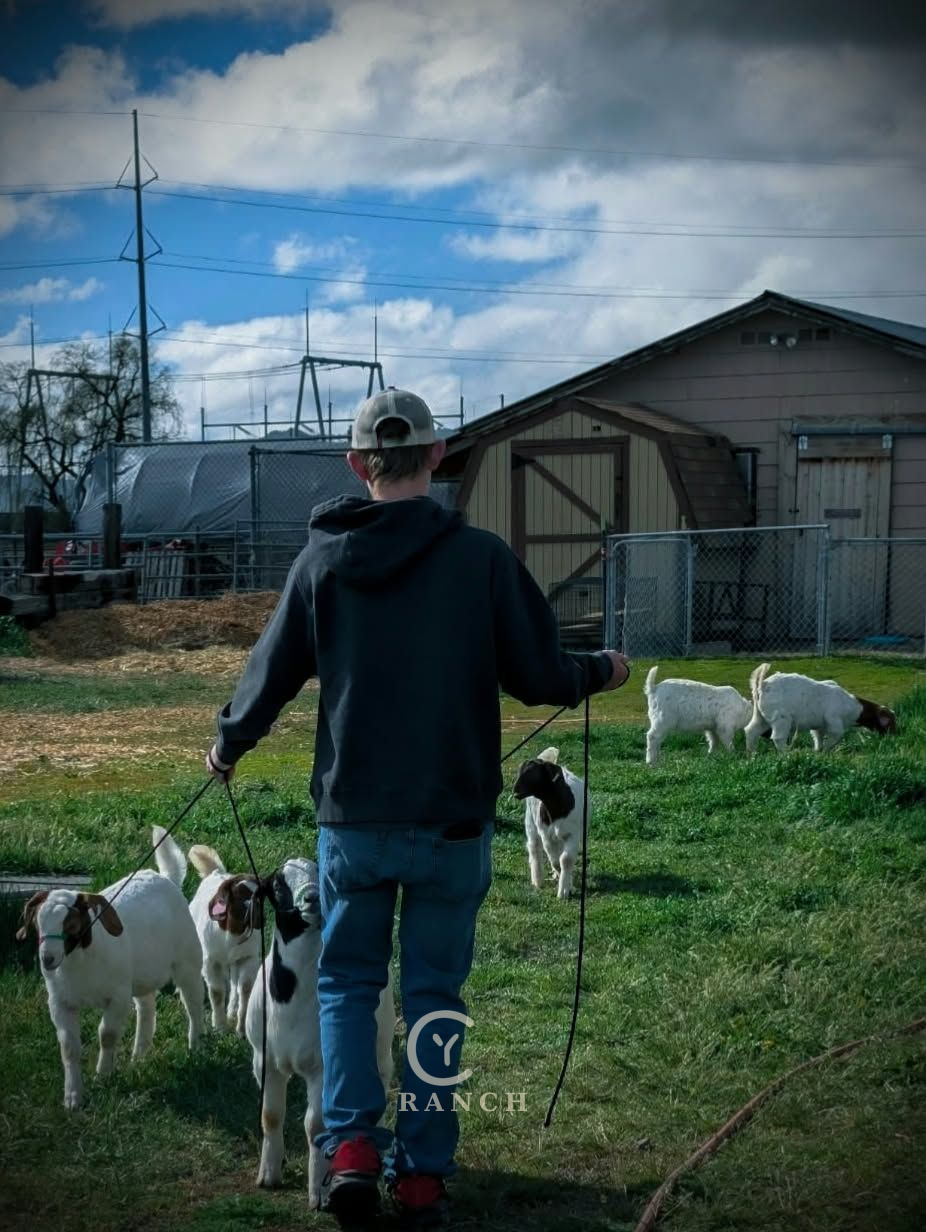
The herd
Meet Our Boer Goats
Meet the Boer goats who have become such an important part of life at CY Ranch. From our breeding does and young herd buck to the next generation of kids, each animal has its own story. Explore their public profiles, photographs, family connections, and current availability.