

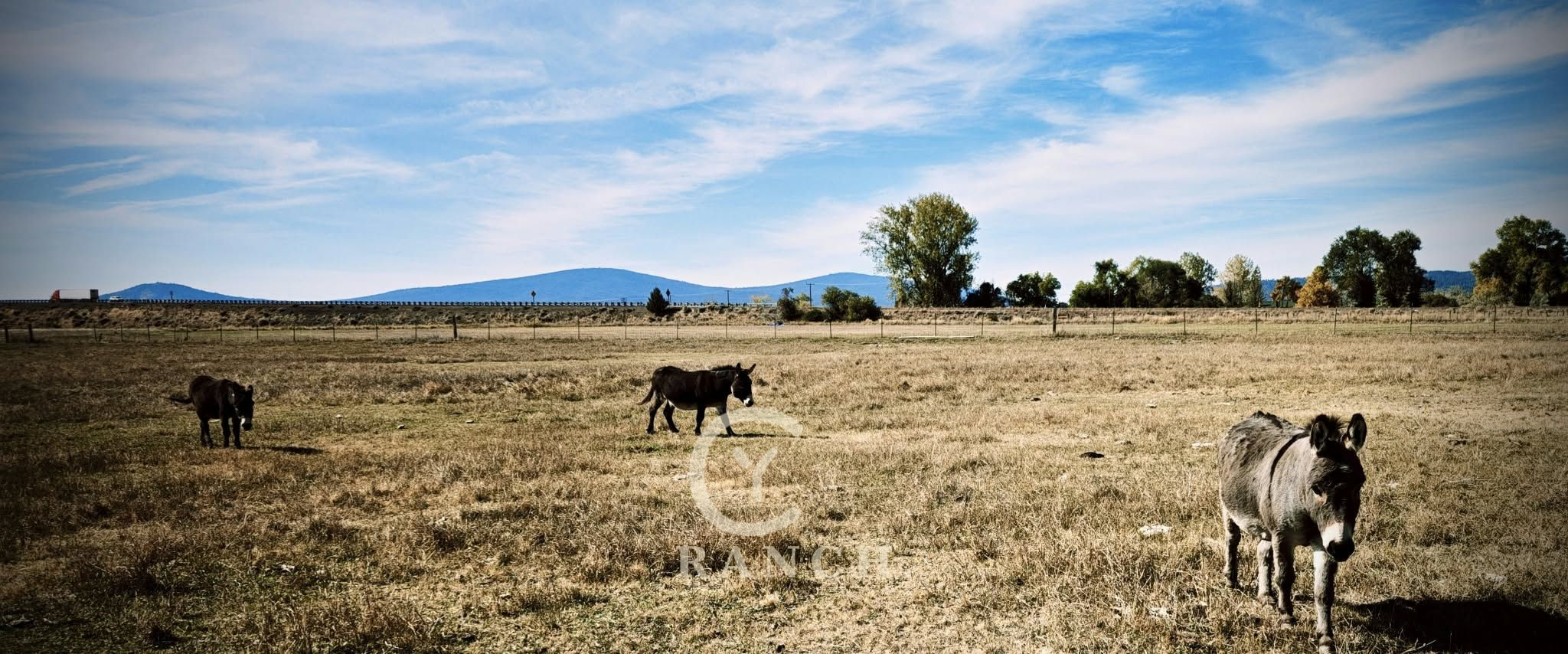
Ranch companions
Miniature Donkeys
Small in Stature, Big in Personality
There's something unforgettable about a miniature donkey. From their oversized ears and expressive faces to their curiosity and unmistakable bray, these little animals have a way of winning people over almost instantly. Their size may be small, but their presence never is.
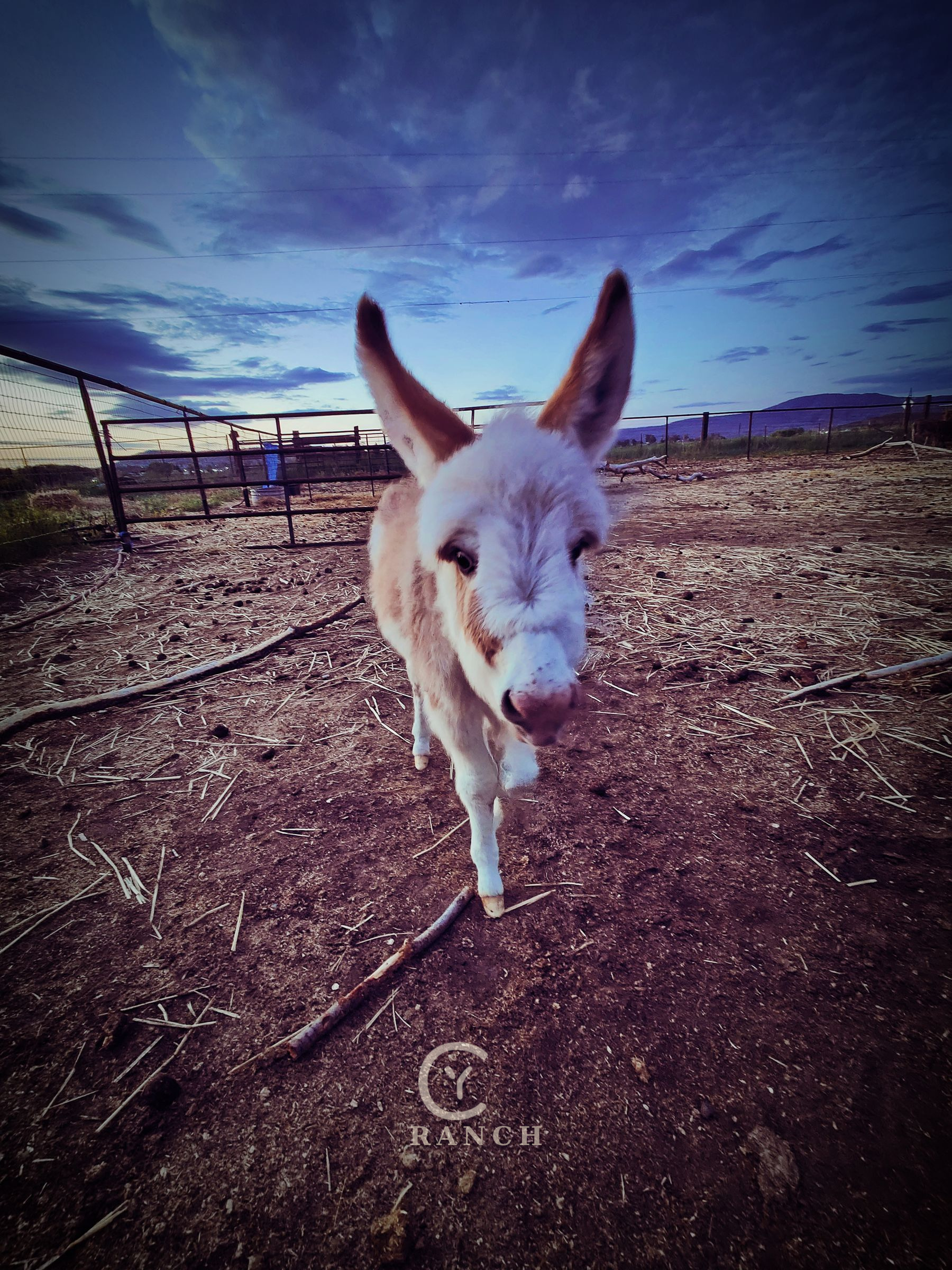
At CY Ranch, miniature donkeys brought years of laughter, companionship, and some of our favorite family memories. What began as a love for these remarkable little animals turned into road trips across the West Coast, the building of a herd, and countless hours spent sitting with them, watching foals grow, and enjoying their sweet and often hilarious personalities. Even people driving by would occasionally stop just to admire them.
From the Mediterranean
From Mediterranean Roots to American Farms
The history of miniature donkeys reaches back to the islands of Sicily and Sardinia, off the coast of Italy. For generations, small donkeys were valued for their ability to work in places where larger animals were less practical. Their manageable size, strength, and endurance made them useful for carrying supplies, pulling small carts, and assisting with everyday agricultural work.
Although miniature donkeys are historically associated with both islands, Sardinian donkeys played a particularly important role in the ancestry of the animals now found throughout North America. As animals moved between Mediterranean communities, distinctions between regional populations became less clear. Today, these little donkeys are commonly associated with the broader Miniature Mediterranean Donkey tradition.
An important chapter in their American history began in 1929 when Robert Green imported seven miniature donkeys from Sardinia to his farm in New Jersey. Later that year, a foal named Christopher Columbus was born, becoming an early milestone in the establishment of miniature donkeys in the United States. Other enthusiasts gradually developed additional herds, introducing these animals to families and breeders across the country.
As interest grew, organized recordkeeping helped preserve information about ancestry and breed characteristics. The Miniature Donkey Registry was established in 1958, followed by the National Miniature Donkey Association in 1989. Although miniature donkeys are now particularly treasured as companions and exhibition animals, their practical working heritage remains an important part of their history.
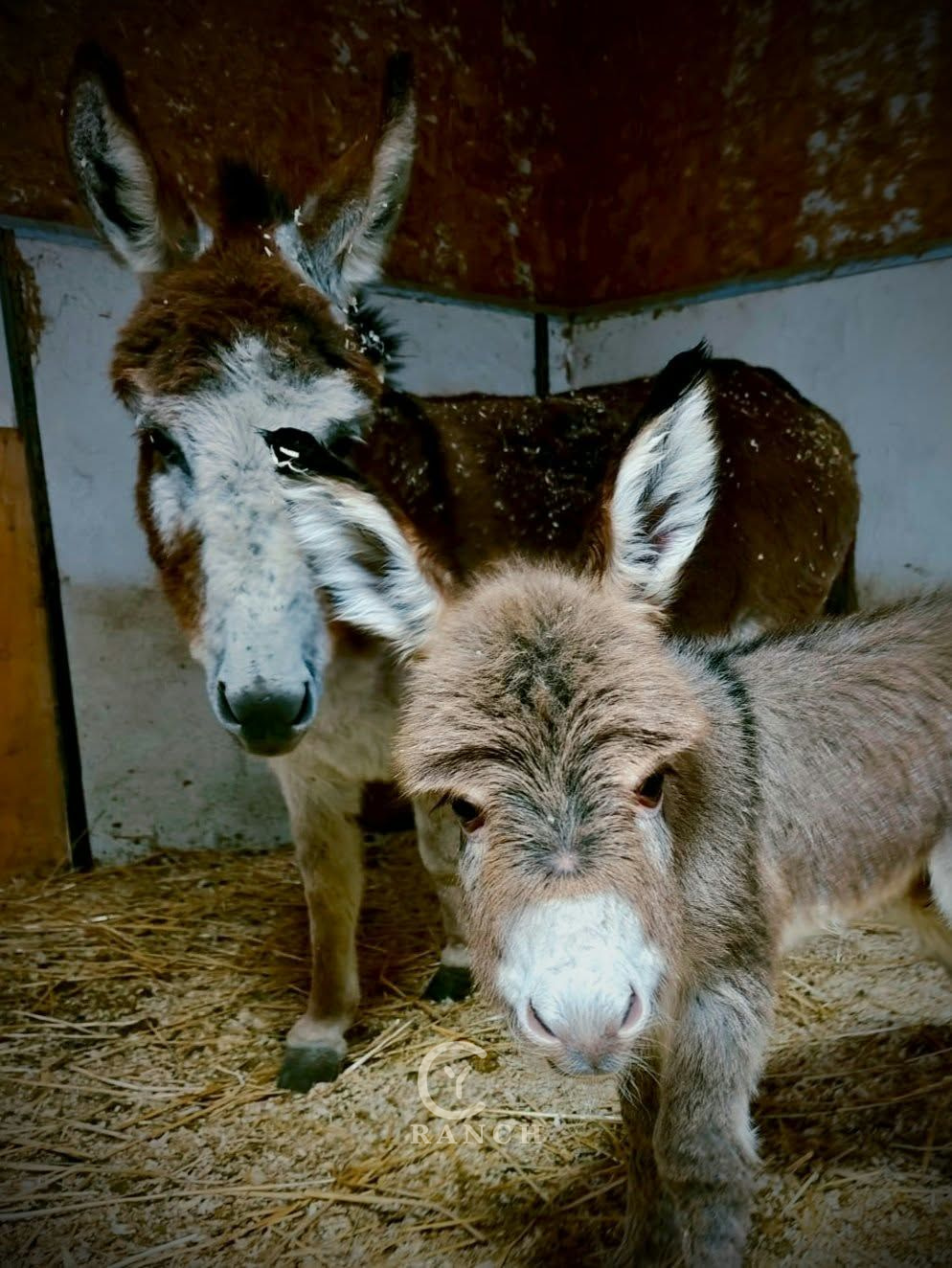
More than long ears
More Than Long Ears and Cute Faces
Miniature donkeys are small, sturdy equines, traditionally measuring no more than 36 inches at the withers when mature. Despite their compact stature, they possess many of the characteristics that made larger donkeys valuable working animals for centuries. Their strength, endurance, and sure-footed movement reflect an agricultural heritage shaped by practical work rather than appearance alone.
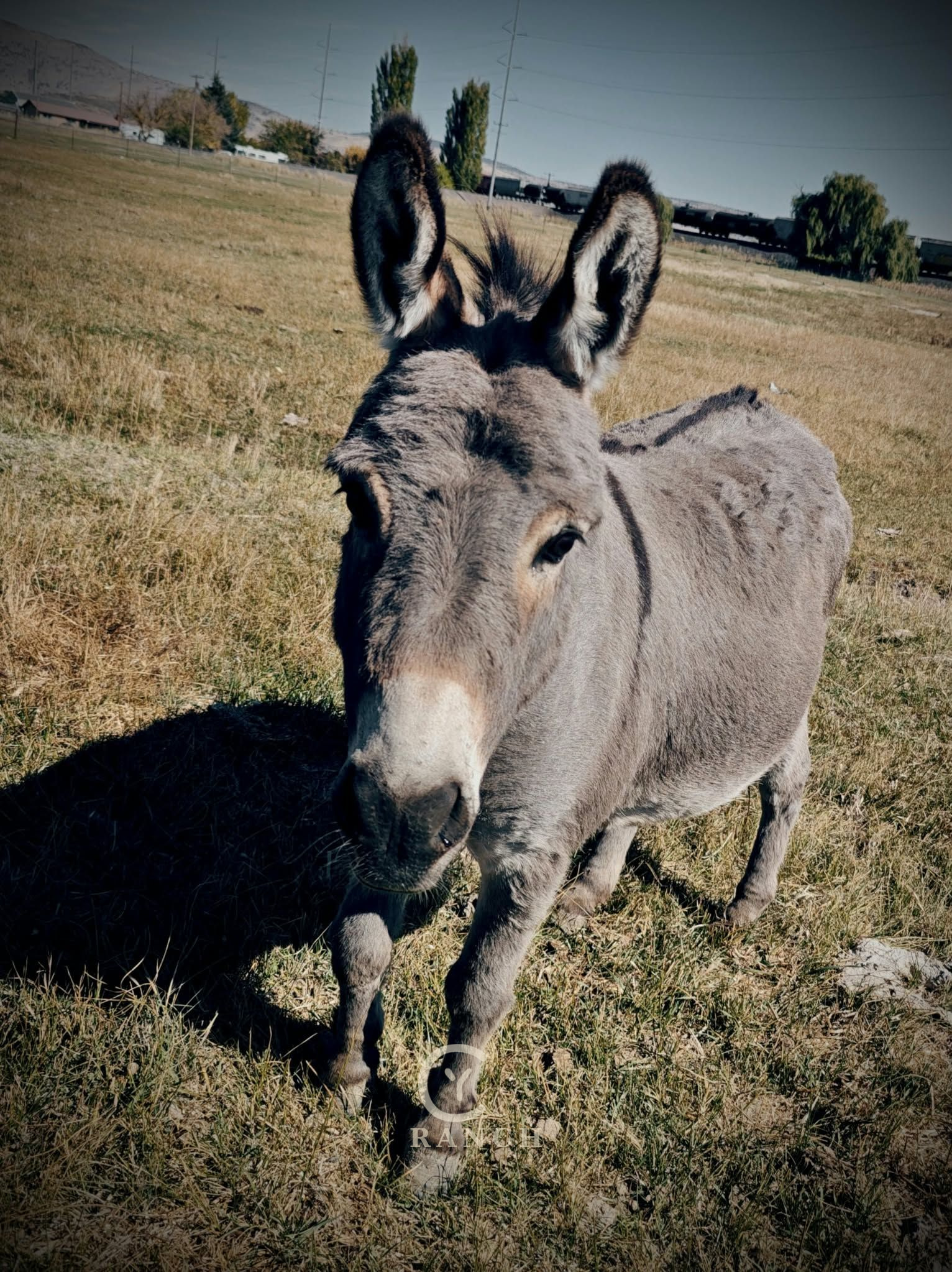
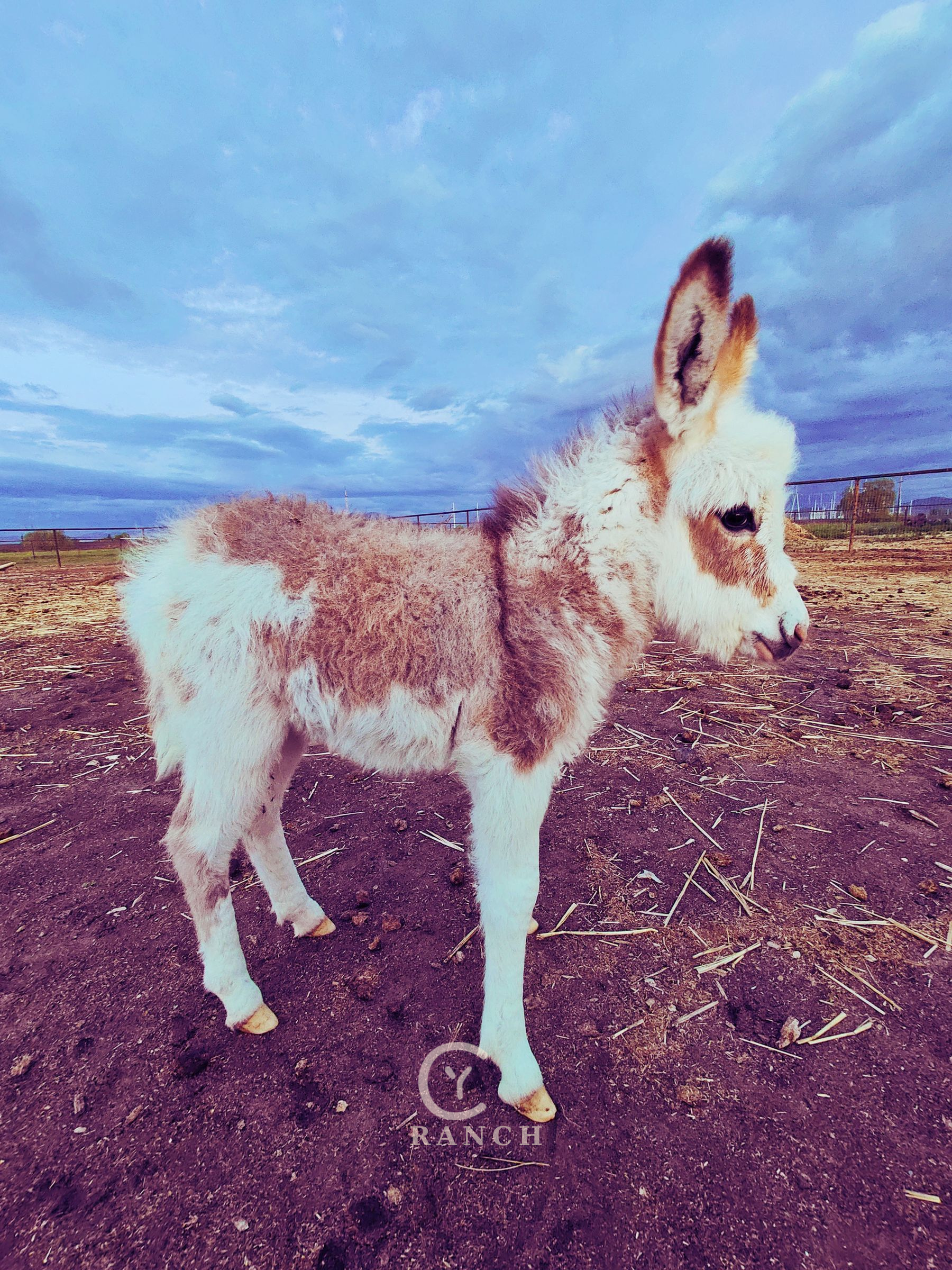
One of their most recognizable features is the gray-dun coloring frequently accompanied by a darker stripe along the back and another across the shoulders. Together, these markings form what is commonly called a dorsal cross. Miniature donkeys can also display brown, black, reddish, white, and spotted color patterns. Their expressive eyes, light-colored muzzles, and extraordinarily mobile ears give them their distinctive appearance.
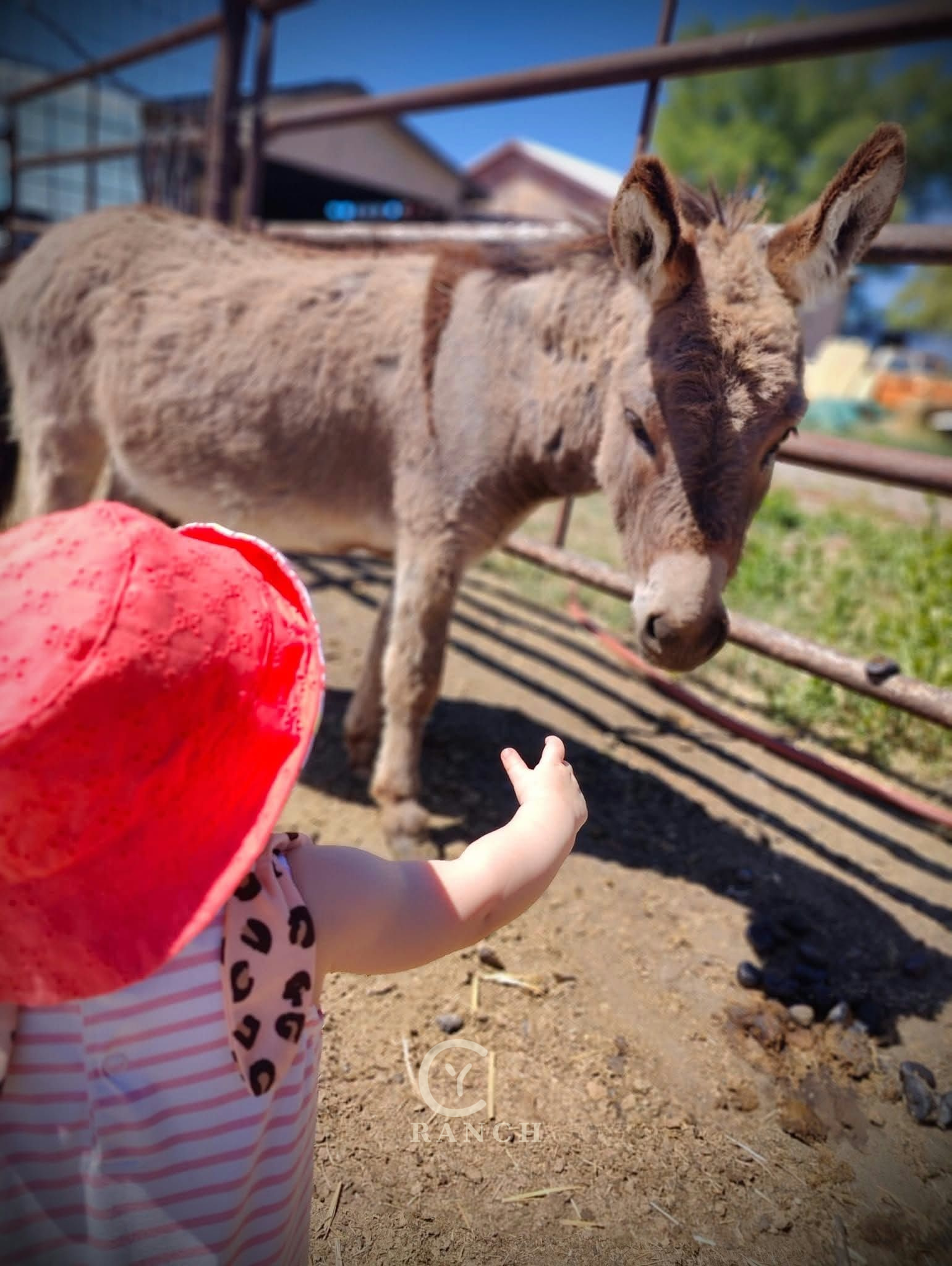
Their personalities are equally memorable. Donkeys are intelligent, observant animals that often prefer to assess unfamiliar situations before responding. This thoughtful behavior has contributed to their reputation for stubbornness, although hesitation is not necessarily disobedience. With patient handling, consistent care, and an established sense of trust, miniature donkeys can become affectionate and engaging companions.
They are also social animals that benefit from appropriate companionship. Donkeys can form strong bonds with other donkeys, and those relationships should be considered when planning their care. Their curiosity, playful behavior, individual personalities, and occasional enthusiastic braying make them wonderful animals to spend time around.
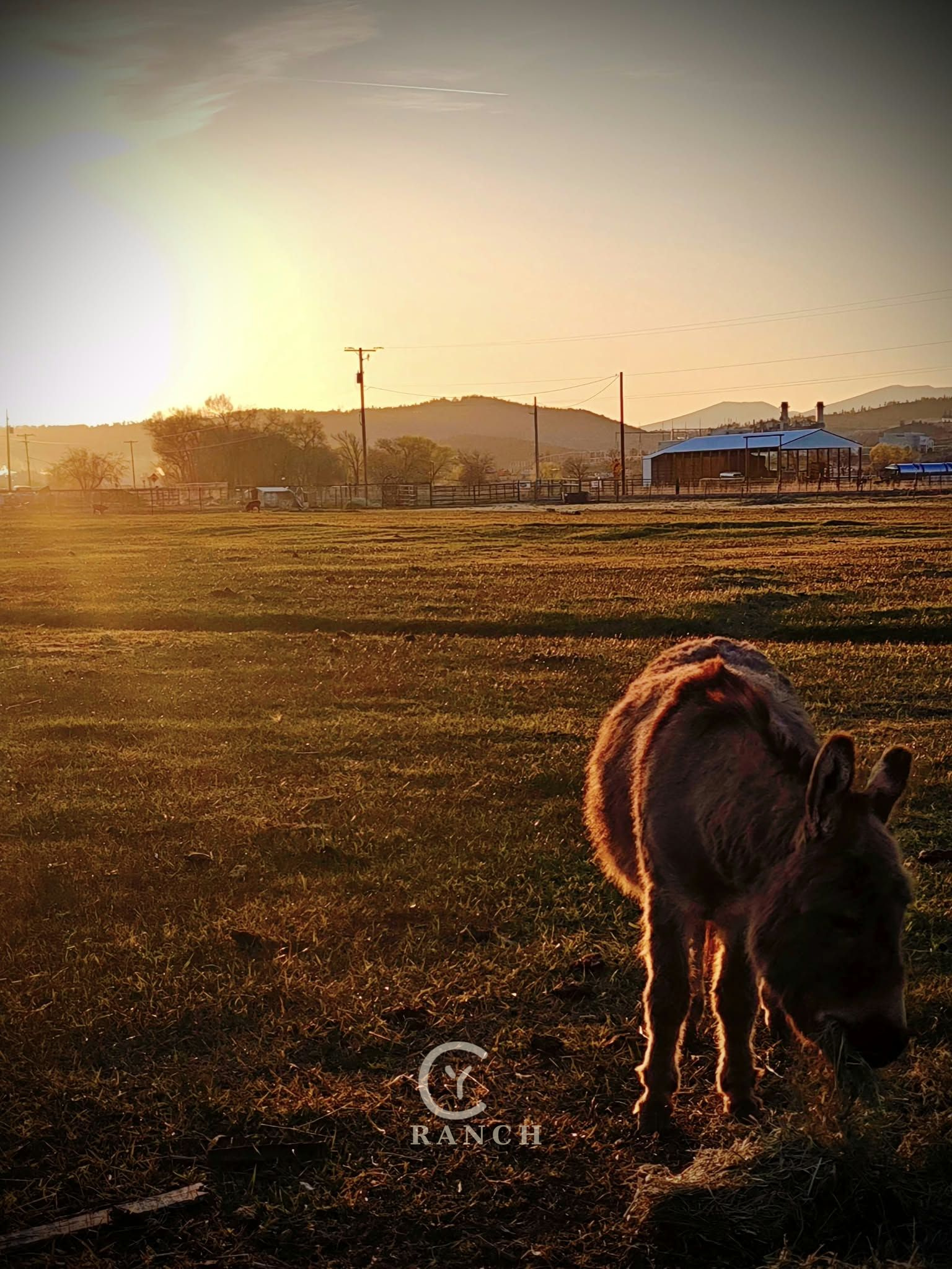
Small animals, real responsibility
Small Animals, Lifelong Responsibilities
Although their manageable size makes miniature donkeys appealing, they require the same thoughtful commitment to health and welfare as larger equines. Their nutritional needs differ from those of many horses, and they can be particularly susceptible to becoming overweight when provided unrestricted access to rich pasture or excessive concentrates. Appropriate forage, balanced nutrition, exercise, and regular monitoring of body condition are important parts of keeping them healthy. Routine hoof care, dental examinations, vaccinations, parasite management, and access to suitable shelter are equally important. Donkey hooves have characteristics that differ from horse hooves, making knowledgeable farrier care especially valuable. Their coats also require protection from prolonged wet weather, even though many donkeys tolerate a wide range of temperatures when properly managed. Miniature donkeys are not short-term companions. With appropriate lifelong care, they can live well into their twenties and thirties. Bringing one home means accepting responsibility for an animal that may remain part of the family for decades.
A herd we'll never forget
A Little Herd with a Big Place in Our Hearts
Our family fell in love with miniature donkeys in a big way. Once we decided to start a herd, we traveled throughout the West Coast finding animals to bring home. Building the herd was an adventure in itself, but sharing everyday life with them turned out to be even more rewarding.
We spent countless happy hours simply being with them. Sitting among the herd, watching their interactions, welcoming new foals, and discovering each animal's personality brought endless enjoyment. Their curious behavior and affectionate moments made even ordinary afternoons memorable, while watching the babies explore the world was particularly special. They were the kind of animals that could make an entire afternoon disappear without anyone noticing.
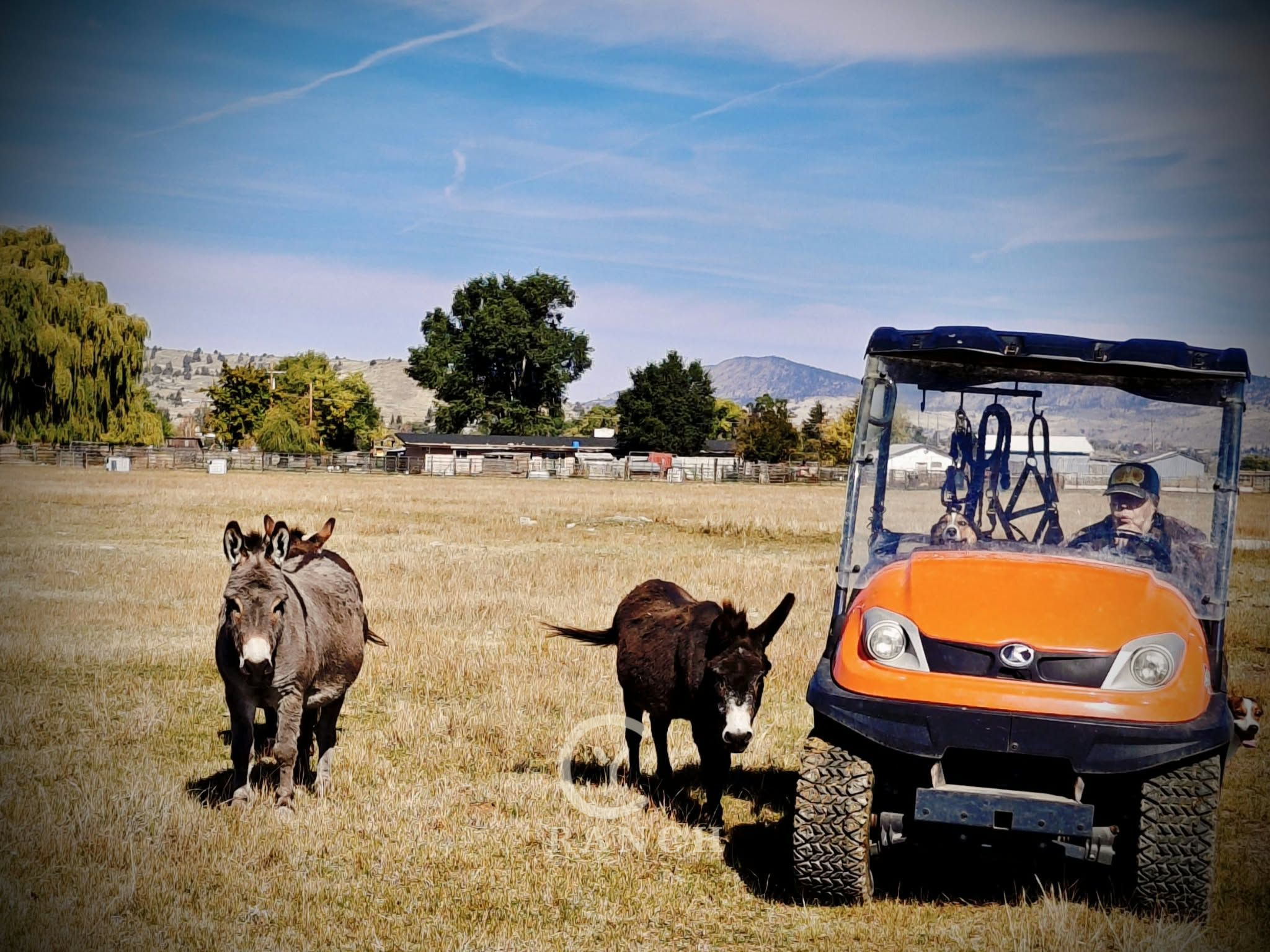
Our miniature donkeys also had a way of attracting attention beyond the ranch fence. People passing by would sometimes stop along the road just to look at them. Seeing those little donkeys grazing together, wandering through the pasture, or investigating something new seemed to bring a smile to people who had never even met them.
Like any experience involving breeding animals, raising miniature donkeys also brought difficult moments. The heartbreaking loss of a foal affected our family deeply, and we eventually decided to take a step back from breeding and significantly reduce our herd. Most of our donkeys moved on to new homes, while three remained with us. It was a difficult decision, but one that felt right for our family at the time.
Although our herd looks different today, our affection for miniature donkeys has never disappeared. We treasure the memories of the animals we raised, the foals we welcomed, and the years spent enjoying their company. Whether we return to breeding miniature donkeys in the future remains an open possibility. For now, we're grateful for the little herd that remains and for everything these wonderful animals have brought to our family.
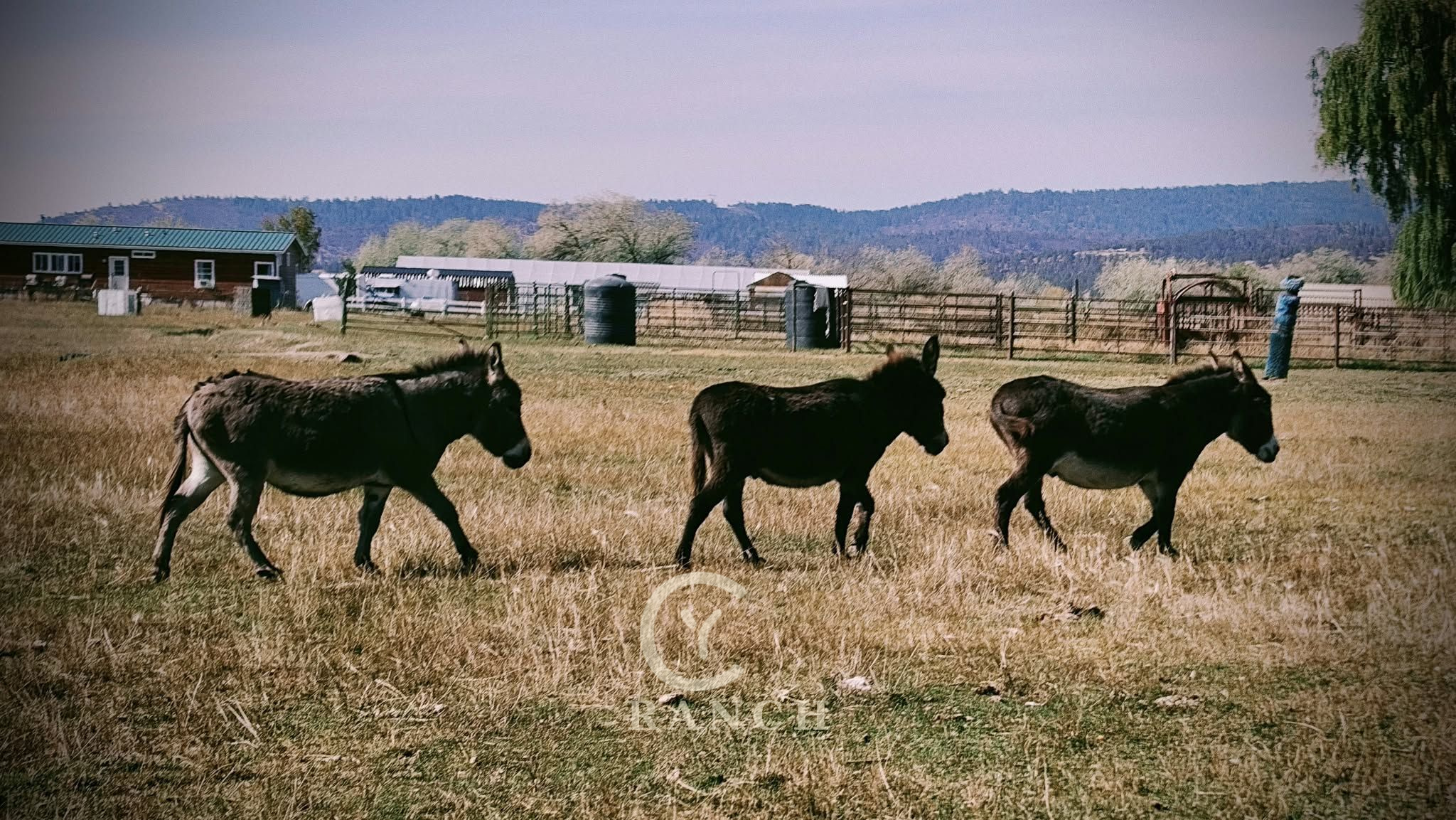
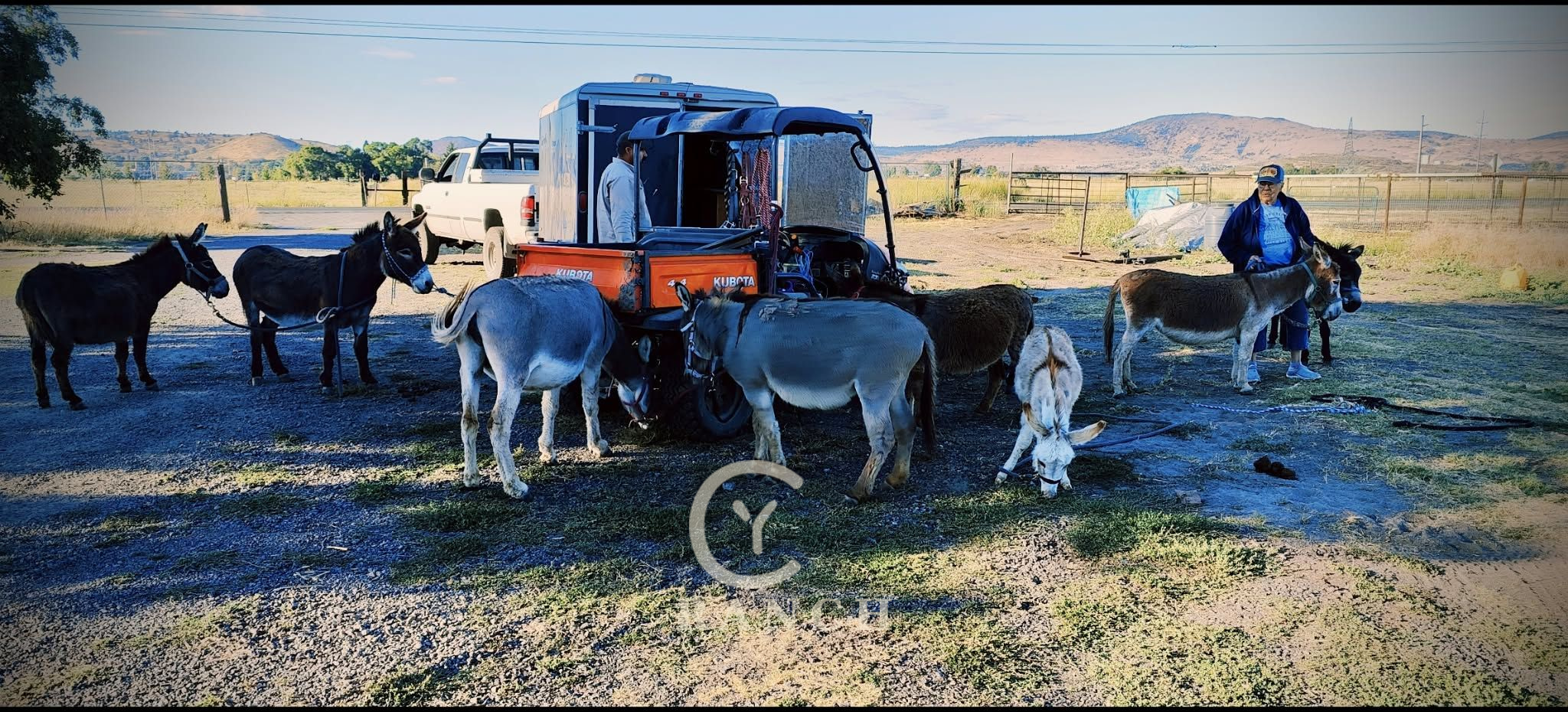
The herd
Meet Our Miniature Donkeys
Meet the miniature donkeys who have called CY Ranch home. Explore their photographs, personalities, and stories, along with the animals who remain part of our ranch today and those who were part of our herd in years past.